
1. What are solar lights?
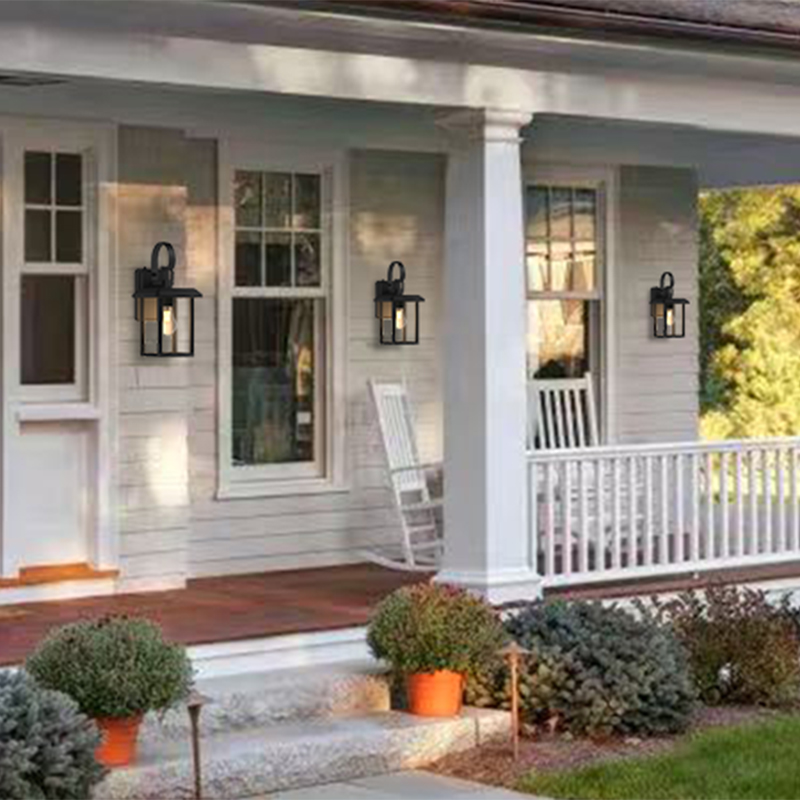
In today's pursuit of energy conservation, environmental protection, and smart living, solar wall lights, with their high efficiency, convenience, and environmentally friendly features, have become an ideal choice for modern outdoor lighting. This versatile solar wall light combines three lighting modes, an adjustable design, intelligent sensing, and superior protection. Suitable for a variety of scenarios, including patios, gardens, courtyards, and entryways, it ensures a safe and beautiful outdoor space.
In today's urban lifestyle, where nature blends seamlessly, outdoor lighting is no longer simply a functional necessity but an extension of quality living. With their environmentally friendly, intelligent, and aesthetically pleasing features, solar wall lights are gradually replacing traditional electric lighting and becoming an ideal choice for outdoor spaces such as patios, terraces, and gardens. Our smart solar wall lights combine efficient energy utilization, user-friendly design, and durability, allowing you to enjoy safe, comfortable, and energy-efficient nighttime lighting without the need for complex wiring. During the day, the 180-degree adjustable, high-efficiency monocrystalline silicon solar panel absorbs energy at the optimal angle and converts it into electricity, which is stored in a large-capacity lithium battery. Even in rainy weather, the intelligent energy management system ensures sufficient power reserves, ensuring stable lighting at night. At night, the light automatically turns on, dispelling darkness with a soft yet bright glow, creating a safe and welcoming atmosphere for your outdoor space.
This solar wall light can switch freely between three intelligent lighting modes. In constant on mode, the light continuously illuminates your patio or porch, perfect for situations where long-term illumination is required. In motion mode, the light instantly illuminates upon detecting movement, such as a person or animal, within a 10-meter range, using a highly sensitive PIR motion sensor. It automatically turns off when no one is around, ensuring both safety and energy conservation. Hybrid mode perfectly combines the advantages of both modes, maintaining a low constant brightness for basic illumination and then increasing the brightness upon detecting movement, achieving the perfect balance between energy efficiency and safety. Whether you need to create a romantic courtyard atmosphere or enhance perimeter security, these three modes can meet your diverse needs.
To perfectly adapt the light to various usage scenarios, we've designed a full range of adjustable functions. The solar panel rotates 180 degrees, ensuring optimal charging efficiency regardless of season and sunlight conditions. The lamp head supports multiple angles, allowing you to precisely control the direction of light, whether illuminating a house number, a garden path, or an outdoor seating area. Furthermore, the light brightness and color temperature are adjustable, from a cozy 2700K warm yellow light to a bright 6000K cool white light with a simple click, meeting the lighting needs of various scenarios, from romantic dinners to security surveillance.
The outdoor environment is complex and ever-changing, and excellent lighting equipment must be able to withstand the rigors of it all. Our solar wall light is constructed from aircraft-grade aluminum alloy with a special rust-proof surface treatment. With an IP65-rated waterproof and dustproof design, it can easily withstand extreme weather, including heavy rain, sandstorms, ice and snow. Its wide operating temperature range ensures stable operation in temperatures ranging from -20°C to 50°C, ensuring excellent performance in both the bitter cold of northern China and the scorching heat of southern China. The precision sealing structure protects the internal electronic components from moisture, ensuring the light remains bright and new for long-term outdoor use.
Installing this solar wall light is incredibly simple. The completely wireless design eliminates the need for complex wiring. Simply choose a suitable location, secure the bracket with the included screws, and adjust the solar panel angle. The entire process takes less than 10 minutes and does not damage the wall. This convenience allows you to adjust the light's position based on seasonal changes or usage needs. Best of all, solar power means zero electricity bills, allowing you to enjoy high-quality lighting while also contributing to environmental protection.
This solar wall light has been meticulously considered from its practicality to its aesthetic design. Its simple, modern design blends seamlessly with any architectural style, from a Chinese courtyard to a European-style villa to a modern, minimalist residence. At night, the high-quality shade casts a soft, even light, minimizing glare while providing ample illumination. This creates an elegant outdoor ambiance while ensuring safety.
On the patio, it creates a romantic atmosphere for evening drinks; in the garden, it illuminates paths for safe walking; on the porch, its sensor function automatically illuminates a warm welcome light upon your arrival; and by the garage, it acts as a security guard, discouraging potential intruders with its bright light. This solar wall light is like a caring butler, silently guarding every corner of your outdoor space.
Choosing our smart solar wall light is more than just choosing a lighting product; it's choosing an eco-friendly, smart, and high-quality lifestyle. It frees you from the constraints of wires and reduces energy consumption, while enjoying the convenience and safety of technology. In this era of green living, let natural light illuminate your nights, embellish your living space with smart technology, and embark on a new outdoor living experience. As night falls, when the warm light automatically illuminates, you'll discover how eco-friendliness and fashion, functionality and beauty, can be perfectly combined.
2. Advantages and characteristics of solar lights
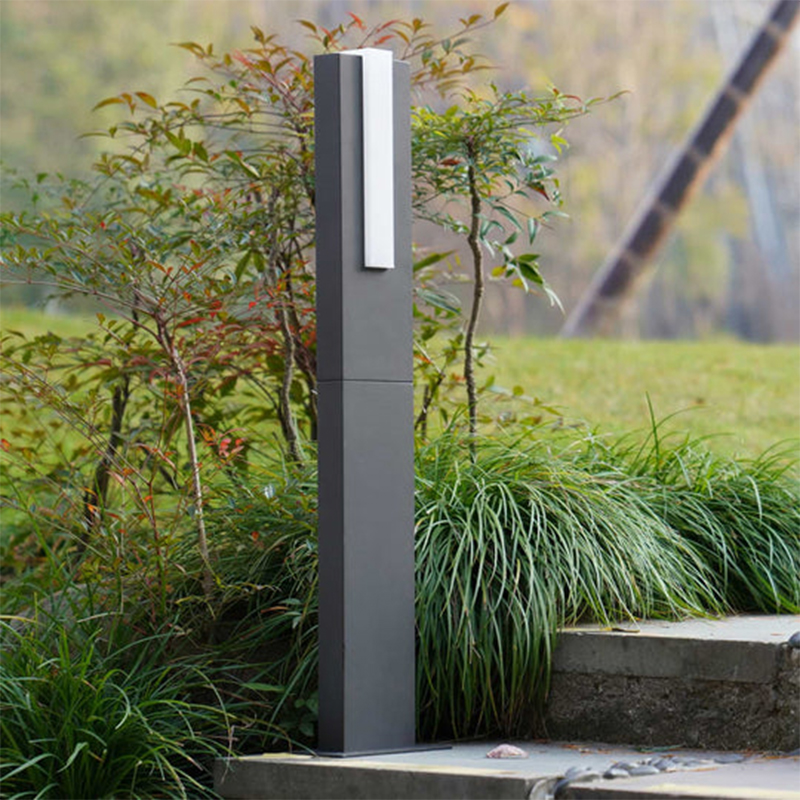
Solar lanterns, as a representative of modern green lighting technology, offer unparalleled environmental advantages over traditional electric lighting. Powered entirely by solar energy, they achieve true zero-carbon emissions. This clean energy approach not only significantly reduces electricity costs for households and communities but, more importantly, contributes positively to mitigating global climate change. While solar lanterns require a slightly higher initial investment, they eliminate electricity and maintenance costs over time, with a lifespan of 5-8 years, making them more economical than traditional lamps.
The ease of installation of solar lanterns has revolutionized outdoor lighting. Requiring no complex wiring or circuit modifications, simply locate and secure them in a suitable location. This ready-to-use feature is particularly suitable for outdoor spaces like courtyards, gardens, garages, and terraces, significantly reducing the complexity of implementing lighting in remote areas and areas with underdeveloped power infrastructure. Modern solar lanterns are often equipped with light and motion sensors, automatically detecting changes in ambient light and human movement, enabling fully automated switching and brightness adjustment. This ensures ease of use while maximizing energy efficiency.
In terms of durability, high-quality solar lanterns are designed with an IP65 rating and above, perfectly withstanding all weather conditions, from torrential rain and snow to intense heat and freezing temperatures, maintaining stable operation. Their rust-resistant materials and sealed construction ensure long-term outdoor use without degradation. More importantly, the lighting quality provided by solar lanterns rivals that of traditional lamps. Adjustable brightness and color temperature allow users to freely switch from a warm, gentle glow to a bright, clear cool light, meeting diverse lighting needs from creating ambiance to providing safety and security.
Solar lanterns have a wide range of applications, from residential courtyards to public spaces, from commercial venues to agricultural fields, offering unique value. For safety and security, sensor-activated solar lanterns can effectively deter intruders; for quality of life, they provide comfortable lighting for outdoor leisure activities; and for public facilities, they offer economical and environmentally friendly lighting solutions for parks, trails, parking lots, and other areas. With continuous advancements in solar energy conversion efficiency and energy storage technology, the performance of solar lanterns continues to improve, making them a perfect example of sustainable urban development and a green lifestyle. Choosing solar lights means choosing a lifestyle that is responsible for the environment and the future, and making the concept of harmonious coexistence of modern technology and nature a reality.
Six Core Advantages of Solar Lanterns
- Environmentally friendly, energy-saving, and sustainable
Powered entirely by solar energy, they emit zero carbon emissions
Useless of traditional electricity resources, reducing reliance on fossil fuels
In line with the global trend toward carbon neutrality, this eco-friendly lighting solution is in line with global trends
- Cost-effective, long-term cost savings
No electricity bills, solar energy is completely free
Low maintenance requirements (only occasional cleaning of the solar panels is required)
Long-lasting lifespan of 5-8 years, with long-term operating costs lower than traditional lamps
- Flexible installation, no geographical restrictions
No wiring or trenching required, avoiding structural damage
Suitable for remote areas and areas without power grid coverage
Can be moved or relocated at any time
- Intelligent control, convenient and worry-free
Automatic light control (automatically turns on at dusk, automatically turns off at dawn)
Optional motion detection (PIR), triggering motion within 10 meters
Remote brightness and color temperature adjustment (select high-end models)
- Durable and reliable, with all-weather protection. IP65 or higher waterproof and dustproof, resistant to heavy rain and sandstorms. Wide operating temperature range of -20°C to 50°C, suitable for extreme climates. Rust-resistant materials (such as aluminum alloy with anti-corrosion coating).
- Versatile application
From home gardens to municipal projects.
Meets both functional and decorative lighting needs.
Solar Lights vs. Traditional Lights Comparison Table
|
Comparison Items |
Solar Lights |
Traditional Electric Lighting |
|
Energy Source |
Solar Energy (Free, Renewable) |
Grid Power (Reliant on Fossil Fuels) |
|
Installation Complexity |
Wireless Installation, Complete in 10 Minutes |
Requires Wiring and Piping, Significant Engineering Work |
|
Cost of Use |
Zero Electricity Cost, Only Initial Equipment Investment |
Ongoing Electricity and Maintenance Costs |
|
Environmental Benefits |
Zero Pollution, Completely Green |
Indirect Carbon Emissions |
|
Mobility |
Can Be Removed and Relocated at Any Time |
Fixed Location, Difficult to Move |
|
Smart Features |
Light Control/Position Sensor Standard |
Smart Module Requires Separate Purchase |
|
Adaptable to Extreme Weather |
Waterproof and Freeze-Proof, Independent Power Supply for More Stability |
Vulnerable to Power Outages |
Application Examples
Home Use: Garden lighting, garage sensor lighting, garden decorative lighting
Public Use: Park trails, bike paths, bus stops
Commercial Use: Hotel landscape lighting, parking lot security lighting
Emergency Use: Camping lights, disaster relief backup lighting
3. Precautions for using solar lights
As an environmentally friendly and energy-saving lighting device, solar lanterns require the following precautions during use to ensure optimal performance and extend their lifespan:
- Installation Precautions
Select a well-lit location: Ensure the solar panels receive at least 6-8 hours of direct sunlight daily, avoiding obstructions by trees, eaves, or buildings.
Adjust the solar panel angle: Adjust the tilt angle according to the season (lay flat in summer, increase the angle slightly in winter) to improve charging efficiency.
Avoid strong light interference: Avoid installing solar lanterns near streetlights or other strong light sources to prevent the light-control sensor from misinterpreting daytime and automatically turning on the lights.
- Daily Maintenance
Clean the solar panels regularly: Dust, leaves, and snow can reduce charging efficiency. It is recommended to wipe the solar panel surface with a soft cloth every 1-2 months.
Check the battery status: If the lighting time is significantly reduced, it may be due to battery aging and needs to be replaced promptly (lithium batteries are generally rated for 2-3 years, and gel batteries for 3-5 years).
Waterproofing Check: Although the solar lantern is waterproof (IP65 or higher), after long-term use, check the sealing ring for aging to prevent rainwater from seeping in.
- Usage Tips
Fully charge the battery before first use: It is recommended to charge the new light in sunlight for 8-12 hours before use to activate the battery.
Set lighting modes appropriately:
Continuous mode: Suitable for areas requiring constant illumination (such as porches).
Sensor mode: Energy-efficient and suitable for occasional lighting needs, such as hallways and garages.
Hybrid mode: Achieves both energy efficiency and convenience, with a constant dim light at night and increased brightness when it senses occupants.
Adapting to extreme weather conditions:
During continuous rainy days, the light can be temporarily turned off or dimmed to extend operating time.
For extremely cold regions (below -20°C), it is recommended to choose a low-temperature battery model.
- Safety Precautions
Secure Installation: Ensure the light fixture is securely fixed, especially if it is wall-mounted, to prevent it from being blown off by strong winds.
Keep away from flammable materials: Avoid installing the light near dry grass or flammable materials.
Child Safety: Keep small solar lights out of the reach of children to prevent them from swallowing small parts.
- Purchasing Recommendations: Choose a solar panel and battery with the appropriate capacity based on local sunlight conditions. Avoid low-priced, low-quality products (which can suffer from issues such as insufficient charging and short battery life).
For multifunctional needs, choose a smart model with remote control and brightness/color temperature adjustment.
Precautions for using solar lights
|
Precautions |
Specific Instructions |
Recommended Measures |
|
Installation Location |
The solar panels must be fully exposed to sunlight |
Choose an unobstructed, south-facing location (in the Northern Hemisphere) with 6-8 hours of direct sunlight daily |
|
Solar Panel Angle |
Angle affects charging efficiency |
In summer, place the solar panel flat. In winter, tilt it up to approximately 45°. Adjust regularly to optimize sunlight |
|
Cleaning and Maintenance |
Dust, snow, and bird droppings will reduce power generation efficiency |
Wipe the solar panel with a soft cloth monthly, and clean it after snowing |
|
First Use |
New batteries must be fully activated |
Charge them for at least 12 hours before first use |
|
Precautions for Rainy Days |
Continuous rain may cause battery drain |
Select a high-capacity battery model or a backup manual on/off switch/USB charging function |
|
Battery Care |
Overdischarge will shorten battery life |
Recharge every three months when not in use for extended periods to prevent battery depletion |
|
Temperature Effects |
High temperatures (>50°C) accelerate aging, while low temperatures (<-20°C) reduce performance |
Avoid direct sunlight during installation. Choose low-temperature-resistant gel batteries for extremely cold regions |
4. Solar Lantern Maintenance Guide: Key Steps to Extending Lifespan
As environmentally friendly and energy-saving lighting devices, solar lanterns require proper maintenance to significantly extend their lifespan and maintain optimal performance. Detailed maintenance recommendations are provided below:
Daily Cleaning and Inspection
Solar Panel Cleaning:
Regularly wipe the solar panel surface with a soft, dry or slightly damp cloth to remove debris such as dust, leaves, and bird droppings. Stubborn stains can be cleaned with a mild detergent, but avoid using abrasive detergents or hard objects to avoid damaging the surface coating. Cleaning is recommended at least monthly, and more frequently in dusty or rainy areas.
Lamp Inspection:
Regularly inspect all lamp components for integrity, paying particular attention to the following:
Check the lampshade for cracks or damage
Confirm that all connections are secure
Check for insects or spider webs blocking vents or sensors
Seasonal Maintenance Tips
Winter Maintenance: In cold regions, additional protective measures should be taken during the winter:
Clear snow from the solar panels after a snowfall
Consider adjusting the solar panels to a more vertical position to facilitate snowfall
In extremely cold weather (below -20°C), temporarily reduce the brightness or shorten the operating time
Rainy Season Maintenance:
Check that all waterproof seals are intact
Ensure that the drain holes are unobstructed
Consider temporarily turning off the power before a thunderstorm
Battery Care
Daily Use:
Fully charge the battery (8-12 hours) before first use
Avoid fully discharging the battery. Recharge if the brightness decreases significantly
Recharge every 2-3 months when not in use for extended periods
Battery Replacement: Consider replacing the battery if the following conditions occur:
The lighting time is reduced to less than 50% of its original value;
The lamp cannot provide full nighttime lighting even after charging in full sunlight;
The battery swells or leaks (stop using immediately).
System Performance Optimization
Position Adjustment: As the sun's altitude changes with the seasons, it is recommended to:
Maintain a 30-45 degree tilt in spring and autumn;
Reduce the tilt angle in summer;
Increase the tilt angle in winter.
Functional Testing: Perform a comprehensive monthly functional test:
Check the automatic on/off function
Test the human sensor sensitivity
Verify that each brightness level switches smoothly
Long-term storage recommendations
For long-term storage (over 3 months):
Thoroughly clean all parts of the lamp
Charge the battery to 50-70%
Store in a dry, dark environment
Avoid storing with metal objects
Remove and recharge the lamp every 3 months
Troubleshooting
Common problems and solutions:
Lamp does not light:
Check if the solar panel is blocked
Confirm that the switch is on
Test the battery charge
Lamp does not light up quickly:
Clean the solar panel
Check the battery health
Make sure it is not set to low brightness mode
Low sensitivity:
Clean the sensor window
Check the sensing range setting
Confirm the mounting height is appropriate (usually 1.5-2 meters is ideal)
Solar Light Maintenance Guide (Table Version)
|
Maintenance Items |
Operating Instructions |
Frequency |
Precautions |
|
Solar Panel Cleaning |
Wipe the surface with a soft cloth dampened in clean water. Stubborn stains can be treated with a neutral detergent |
Monthly |
Avoid scratching with hard objects to prevent damage to the coating |
|
Battery Inspection |
Observe changes in lighting duration. If battery life decreases significantly, check the battery capacity |
Quarterly |
Measure voltage with a multimeter (a fully charged battery should be ≥ nominal voltage) |
|
Structural Fastening |
Check for loose screws/brackets, especially after rain or wind |
Quarterly |
Apply anti-rust oil to metal parts |
|
Sealing Inspection |
Check for moisture or rust on the joints of the lamp body |
Six-monthly |
Immediately disconnect the power cord and replace the sealing strips if water seepage is detected |
|
Winter Maintenance |
Clear snow promptly after a snowfall. Temporarily lower the brightness in extremely cold regions |
Handle snow immediately after it falls |
Do not use sharp tools to remove snow to prevent scratching the panel |
|
Wiring Inspection |
Check for aging or exposed wires (mainly for split solar lights) |
Annually |
Immediately wrap with insulating tape or replace any damaged wires |
|
Functional Test |
Test the light control/occupancy sensor for sensitivity and proper mode switching |
Monthly |
Test at night using a shield to simulate darkness |
|
Long-Term Storage |
Disconnect the power cord after cleaning and store the battery in a dry environment with a 50% charge |
Before stopping use |
Remove and recharge the battery every three months |
Frequently Asked Questions Quick Reference Table
|
Symptom |
Possible Cause |
Solution |
|
Light does not turn on at night |
Solar panel obscured/dirty |
Clean the panel and check the mounting position |
|
Lighting time is significantly reduced |
Battery aging/low temperature effects |
Replace batteries (choose low-temperature-resistant models in extremely cold regions) |
|
Sensor function failure |
PIR sensor covered by spider webs |
Clean the sensor window with a cotton swab |
|
Light flickers |
Poor wiring contact |
Check all connectors and reconnect |
|
Inside of the lampshade is fogged |
Failed seal |
Disassemble, dry, and replace the seal, or apply waterproof silicone |
Professional Tips:
- It is recommended to create a maintenance log, recording each maintenance session and any problems found.
- Temporarily shut down the power supply before a thunderstorm to prevent circuit surge damage.
- It is recommended that lamps over five years old undergo a comprehensive inspection and, if necessary, a complete replacement.
5. Key points for installing solar lights
The quality of solar lantern installation directly impacts its lighting performance and lifespan, so thorough preparation is essential before installation. First, ensure all accessories are complete, typically including the lantern, solar panel, battery, controller, bracket, and screws. Check the device to ensure the battery is charged, the solar panel is intact, and the wiring is intact. Basic tools include a screwdriver, wrench, electric drill (if drilling is required), and insulating tape.
Site selection is a critical step in installation. Solar panels must be installed in an unobstructed location, such as a rooftop or high in the yard, ensuring at least 6-8 hours of direct sunlight daily. Avoid locations near trees, shadows from buildings, or other strong light sources that could interfere with the light control. The lantern should be mounted at an appropriate height based on lighting requirements. Garden lights are typically 2-3 meters high, while street lights are 6-8 meters high. Avoid areas prone to vehicle collision or human damage. Environmental compatibility is also crucial. Avoid installation in humid, flooded, or high-temperature areas. For outdoor installation, select a product with a waterproof rating of at least IP65.
The first step in installation is to secure the solar panel. Use brackets to secure the solar panels facing due south (in the northern hemisphere) or at the optimal local tilt angle. Adjustments can be made within ±10° of latitude. Ensure the panels are clean and free of dust and snow. The lamp body must be securely mounted. Use expansion screws or a concrete base to secure the lamp pole or wall. Large street lamps may even require pre-buried ground cages. The lamp head must be properly angled. Garden lights generally tilt downward 15°-30°, while street lamps adjust the angle based on the illumination range. Connect the wiring according to the user manual. Pay attention to the positive and negative polarity (red for positive, black for negative) when connecting the solar panel, controller, battery, and lamp body. Protect exposed areas with waterproof tape or tubing. The controller should be installed in a well-ventilated, dry location, such as inside the pole access door, away from direct sunlight and rain.
After installation, commissioning and testing are required. When charging for the first time, cover the solar panel, connect the battery and controller, and then connect the solar panel to prevent reverse current. Allow the solar panel to charge in sunlight for 24-48 hours before using it to maximize the battery's initial capacity. To test light control, block the solar panel to simulate nighttime and check whether the light automatically turns on and turns off after removing the blocker. Some controllers also allow for set lighting durations (e.g., 4/6/8 hours) or sensor modes (human presence + light control).
Daily maintenance is also essential. Wipe the solar panel surface monthly to remove dust and bird droppings that may affect charging efficiency. After strong winds or heavy rain, check for loose or damaged wiring, especially at the connectors. Regarding battery maintenance, lead-acid batteries require electrolyte checks every 1-2 years (if necessary), while lithium batteries should be protected from overdischarge (charge immediately if the charge drops below 20%). In extremely cold regions, choose low-temperature-resistant batteries (such as lithium batteries) or store them temporarily. Temperatures below -20°C may cause system shutdowns.
Common problems include a non-illumination problem, which may indicate an uncharged battery, poor wiring connection, or an obstructed light control switch. Short battery life may be due to excessive rain or battery aging; consider increasing battery capacity or using dual solar panels. If the light turns on accidentally, adjust the light control sensitivity to avoid interference from nearby light sources. Proper installation and maintenance can significantly increase the lifespan and efficiency of solar lights. If you are unsure about the operation, it is recommended to refer to the brand installation video or contact a professional.
- Pre-installation Preparation
Confirm all accessories are complete.
Solar lights typically include: the light body, solar panel, battery, controller, bracket, screws, etc.
Check the device's condition.
Make sure the battery is charged (remove the insulation sheet for new devices), the solar panel is intact, and the wiring is intact.
Tools:
Screwdriver, wrench, electric drill (if drilling is required), insulating tape, etc.
- Site Selection Key Points
Lighting Conditions: The solar panel should be installed in an unobstructed location (such as a rooftop or high up in the garden) with at least 6-8 hours of direct sunlight daily.
Avoid shadows from trees, buildings, or strong light sources (such as streetlights) to prevent interference with light switches.
Lamp Position: Select a height based on lighting requirements (e.g., 2-3 meters for garden lights and 6-8 meters for streetlights). Avoid areas subject to vehicle collision or human damage.
Environmental Adaptability: Avoid areas with humidity, stagnant water, or high temperatures (such as near boilers). For outdoor installations, select a product with a waterproof rating of IP65 or higher.
- Installation Steps
Securing the Solar Panels
Use brackets to secure the solar panels facing due south (in the Northern Hemisphere) or at the optimal local inclination angle (±10° relative to the latitude).
Ensure the panels are clean and free of dust and snow.
Installing the Lamp
Securely secure the panel to the pole or wall using expansion screws or a concrete base (large street lights require pre-buried ground cages).
Adjusting the Lamp Head Angle: For garden lights, tilt downward 15°-30°; for street lights, adjust the angle based on the illumination range.
Connecting the Wiring
Connect the wiring from solar panel to controller to battery to the lamp body according to the instructions, paying attention to the positive and negative poles.
Protect the wiring with waterproof tape or tubing to avoid exposure.
Securing the Controller
The controller should be installed in a well-ventilated, dry area (such as inside the pole access door), away from direct sunlight or rain.
- Commissioning and Testing
First Charging
After installation, cover the solar panels. Connect the battery and controller first, then the solar panels (to prevent reverse current flow). Expose the solar panel to sunlight and charge for 24-48 hours before using it again (to increase the initial battery capacity).
Light Control Test: Cover the solar panel (simulating night time) and check whether the light automatically turns on. Remove the cover to see if it turns off.
Timer Mode Settings: Some controllers offer adjustable lighting duration (e.g., 4/6/8 hours) or sensor mode (human presence + light control).
6. How to choose the right solar light?
Solar lights are widely used in homes, gardens, road lighting, and landscape decoration due to their energy-saving, environmentally friendly, easy installation, and no wiring required. However, with the wide variety of solar lights on the market and complex specifications, how can one choose an efficient, durable, and cost-effective solar light?
Brightness is a key factor in selecting a solar lantern, with lumens directly determining the lighting effect. Decorative lighting, such as lawn lights or wall lamps, typically requires 50 to 300 lumens, while functional lighting, such as garden lights or street lights, requires higher brightness. This is especially true for street lighting, where a 6-meter-tall street light should have a brightness of at least 3,000 lumens. The color temperature also needs to be adjusted based on the scenario. Warm white light is suitable for home environments, natural white light is suitable for reading or work areas, and cool white light is more suitable for security lighting, such as roads or parking lots.
The type and wattage of the solar panel directly affect charging efficiency and battery life. Monocrystalline silicon solar panels have high conversion efficiency and are suitable for areas with low sunlight, while polycrystalline silicon panels are more cost-effective and suitable for users with limited budgets. The wattage should be matched to the battery capacity. Small lights, such as lawn lights, typically use 2- to 5-watt solar panels, medium-sized garden lights require 5- to 20-watt panels, and large street lights require 30- to 100-watt panels to ensure sufficient power supply.
Battery performance determines whether the light can be continuously illuminated on rainy days. Currently, mainstream lithium batteries are lightweight, long-lasting, and cold-resistant, making them suitable for most areas. Gel batteries are relatively inexpensive but bulky, making them suitable for fixed installations. Lead-acid batteries are gradually being phased out due to their short lifespan and sensitivity to cold temperatures. Battery capacity should be selected based on desired battery life. Small lights typically require 2-5 amp-hour batteries, medium-sized lights require 10-20 amp-hour batteries, and large streetlights require 30-100 amp-hour batteries to handle continuous rainy weather.
The installation environment is crucial to the performance of solar lanterns. Solar panels should be installed in an unobstructed, well-lit location. The optimal orientation is south in the northern hemisphere and north in the southern hemisphere. The tilt angle should be based on the local latitude. The protection rating should be selected based on the environment. IP54 is suitable for garden lights that are dust- and splash-proof, while IP65 and above are suitable for fully dust- and waterproof outdoor street lights. In windy areas, the lantern's wind resistance should also be considered. Standard garden lights should withstand winds of force 5-6, while street lights should withstand winds of force 8-10.
Identify the usage scenario and choose the right type
There are many different types of solar lights, and different scenarios require different brightness, illumination range, and waterproof rating. The following are common types of solar lights and their applications:
- Garden Solar Lights
Suitable for: Gardens, balconies, villa courtyards, and entrance doors
Features:
Height 1.5-3 meters, brightness 200-800 lumens
Mostly warm color temperature (2700K-3500K), creating a cozy atmosphere
Some feature motion sensors for automatic nighttime lighting
Various designs available, including European, modern, and retro styles
- Solar Street Lights
Suitable for: Residential roads, rural highways, parking lots, and plazas
Features:
Height 4-8 meters, brightness 1000-5000 lumens
Wide illumination range (10-20 meters), suitable for illuminating large areas
Requires a high level of protection (IP65 or higher), wind and rain resistant
Some feature intelligent dimming (full brightness in the first half of the night, half brightness in the second half)
- Solar Lawn Light
Applicable for: Green belts, walkways, and flower bed edges
Features:
Low height (0.3-1 meter), 50-200 lumens brightness
Waterproof and trample-resistant (IP54 or higher)
Primarily for decorative purposes, not primary lighting
- Solar Wall Light
Applicable for: Walls, porches, and garage entrances
Features:
Side lighting for enhanced safety
Some feature microwave/infrared sensors that automatically turn on when someone approaches
- Solar Emergency Light/Flashlight
Applicable for: Camping, outdoor adventures, and power outage backup
Features:
Portable and removable, USB rechargeable
Some feature SOS mode
Key Parameters Analysis: Brightness, Solar Panel, Battery, and Battery Life
- Brightness (Lumens)
The brightness of solar lights directly affects the lighting effect, and different scenarios require different lumens:
Decorative lighting (lawn lights, wall lights): 50-300 lumens
Garden lighting: 200-800 lumens
Pathway lighting (street lights): 1000 lumens or higher (6-meter-high street lights require ≥3000 lumens)
Color temperature options:
Warm white light (2700K-3500K): Suitable for home use, creating a warm and comfortable atmosphere
Natural white light (4000K-5000K): Suitable for reading and work areas
Cool white light (5000K-6500K): Suitable for security lighting, such as roads and parking lots
- Solar Panel Type and Power
The solar panel is responsible for charging and affects the lamp's battery life:
Monocrystalline silicon solar panels: High conversion efficiency (18%-22%), suitable for areas with low sunlight, but more expensive
Polycrystalline silicon solar panels: Cost-effective, but slightly lower efficiency (15%-18%)
Amorphous silicon (thin-film solar): Flexible, but lower efficiency (6%-10%), suitable for specialized scenarios
Power selection (matched to battery capacity):
Small lamps (lawn lights): 2W-5W
Medium lamps (garden lights): 5W-20W
Large street lamps: 30W-100W
- Battery Type and Capacity
The battery determines whether the lamp can continue to operate on rainy days:
|
Battery Type |
Advantages |
Disadvantages |
Applications |
|
Lithium Battery |
Lightweight, long life (3-5 years), low temperature resistant (-20°C) |
Higher Price |
Mainstream choice, suitable for most areas |
|
Gel Battery |
Low price, good stability |
Large size, requires maintenance |
Fixed installation, such as street lights |
|
Lead-acid Battery |
Cheap |
Short life (1-2 years), low temperature resistance |
Gradually phased out |
Capacity Options (Unit: Ah or Wh):
Small Lights: 2Ah-5Ah (1-2 nights of battery life)
Medium Lights: 10Ah-20Ah (2-3 nights of battery life)
Large Street Lights: 30Ah-100Ah (3-5 nights of battery life)
- Battery Life
Sunny Day Charging: Fully charged in 6-8 hours
Rainy Day Battery Life: Depends on battery capacity, generally marked as 1-3 days, but allow for extra battery life.
Smart Power Saving Mode: Some lights support motion detection and light control, turning on only when someone approaches, extending battery life.
Installation Environment and IP Rating
- Lighting Conditions
Optimal Orientation: South in the Northern Hemisphere, North in the Southern Hemisphere, with an inclination angle approximately equal to the local latitude.
Avoid obstructions: Shadows from trees and buildings will reduce charging efficiency.
- IP Rating
IP54: Dustproof and splashproof, suitable for garden lights.
IP65: Completely dustproof and resistant to low-pressure water jets, suitable for outdoor street lights.
IP67: Withstands short-term immersion, suitable for areas with heavy rainfall.
- Wind Resistance
Ordinary garden lights: resistant to winds of force 5-6.
Street lights: resistant to winds of force 8-10 (especially in coastal areas).
