
1. Why should exterior wall lights be cleaned?
Restore lighting performance and ensure functionality:
Dust, dirt, insect carcasses, bird droppings, and other debris can coat the lampshade and light source, severely obstructing light output. This results in the lamp being illuminated but the floor or wall appearing dim, negating its intended lighting and warning function.
Cleansing can significantly improve brightness immediately, achieving twice the result with half the effort.
Extend lamp life:
Dirt, especially wet dirt, can corrode the metal components and plastic lampshade of the lamp body, causing them to age and become brittle.
Thick dust can affect the heat dissipation of the lamp. Especially for LED lamps, overheating can significantly shorten their light decay cycle and lifespan.
Eliminate safety hazards:
Dirt can conduct electricity in humid environments. If it accumulates on electrical connectors or the driver, it can easily cause short circuits and electrical leakage.
For high-wattage spotlights, if the heat dissipation holes are blocked, heat cannot be dissipated, creating a potential risk of overheating and fire. Maintain the building's appearance: Clean and tidy lamps are an integral part of the building's facade image. Dirty lamps will make the entire building appear to be poorly managed and of lower quality.
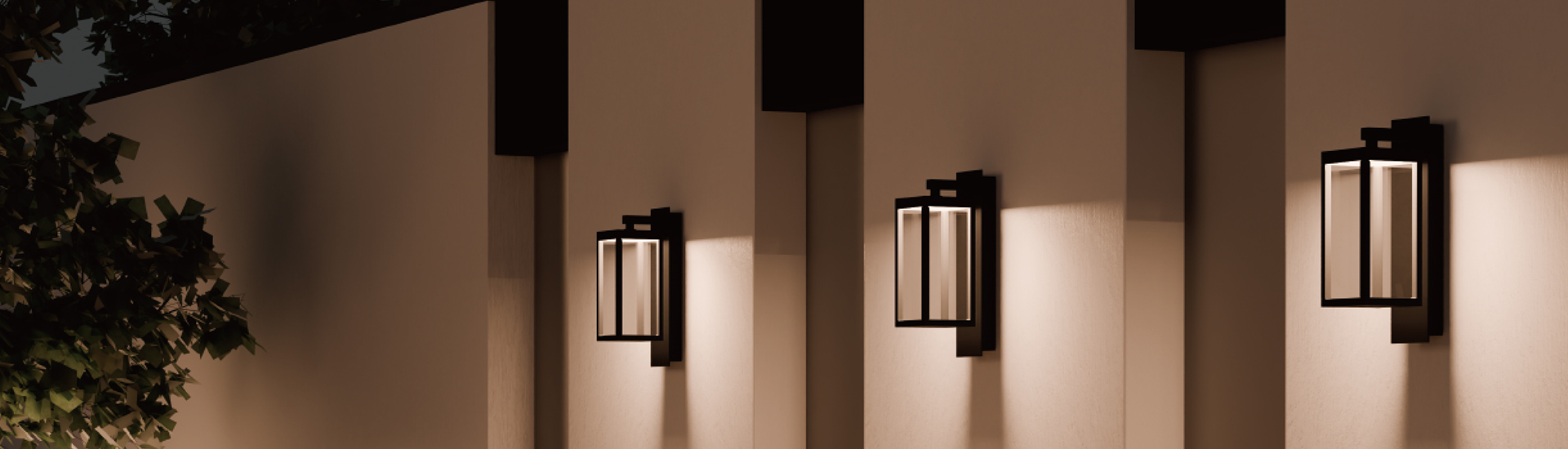
2. How to clean exterior wall lamps? (Methods and steps)
(1). Safety preparation (top priority)
Complete power off: Turn off the main power switch of the exterior wall lighting circuit and hang a warning sign that says "Work in progress, do not close the switch." Never turn off the power using a remote control or switch.
Wait for cooling: If the lamp has just been used, wait for it to cool completely to prevent burns.
Use a suitable ladder or aerial work equipment: If the lamp is installed high, a stable ladder must be used, and it is best to have someone supervise it. For very high locations, a professional cleaning company should be asked to use an aerial work vehicle for operation.
Personal protection: Wear insulating gloves and protective glasses.
(2). Cleaning steps
Surface dust removal: Use a soft brush or a balloon (leather tiger) to gently sweep/blow away the dust and spider webs in the gaps and on the surface of the lampshade.
Removing the lampshade (if the structure permits): Many exterior wall lights are designed for easy maintenance, allowing the lampshade to be removed by loosening clips or screws. This allows for more thorough cleaning.
Cleaning the lampshade and lamp body:
Prepare a basin of warm water and add a neutral detergent (such as diluted dish soap).
Dampen a soft cloth or sponge with the detergent and gently wipe the inside and outside of the lampshade and the lamp body. For stubborn stains (such as bird droppings or shellac), apply the detergent and wait a few minutes for it to soften before wiping.
Abrasive cloths (such as scouring pads) or hard brushes should not be used, as they may scratch the lampshade and affect light transmission.
Abrasive cleaners (such as toilet cleaners, strong acids, or strong alkalis) should not be used, as they can corrode the surface of the lampshade and cause it to become cloudy.
Rinse and Dry:
Use another clean, damp cloth to remove any remaining detergent.
Dry the lampshade and lamp body thoroughly with a soft, dry cloth, ensuring no residual moisture remains.
Note: If the lamp's sealing rating (IP rating) is not high, avoid direct water on the internal electrical components.
Internal Cleaning (Proceed with caution):
If the lampshade has been removed, inspect the light source (such as the LED module) and reflector for dust. Gently brush away dust with a dry, soft brush.
Avoid touching the LED chip and driver board.
Installation and Inspection: Replace the cleaned lampshade, ensuring the seal (if any) is in place, and tighten the clips or screws. Ensure all components are securely installed before powering on and testing.
3. Cleaning Frequency Recommendations
Regular Cleaning: A comprehensive cleaning is recommended every six months to one year.
Frequent Cleaning: If the lamp is located in an area with severe environmental pollution, high humidity and rain, high insect populations, or near woods, it should be inspected and cleaned quarterly.
Daily Inspection: Pay close attention to changes in the lamp's brightness. If it becomes noticeably dimmer or contains a large amount of dirt, it should be cleaned promptly.
